Understanding the DIY Temptation in HVAC Maintenance
When your furnace starts making strange noises or your air conditioning unit begins blowing warm air, the immediate instinct might be to grab your toolbox and search for online tutorials. The appeal of DIY HVAC repair stems from potential cost savings and the satisfaction of fixing something yourself. However, heating and cooling systems have evolved into sophisticated equipment requiring specialized knowledge, diagnostic tools, and technical expertise that goes far beyond basic home improvement skills.
Modern HVAC systems incorporate advanced electronics, refrigerant handling requirements, electrical components operating at various voltages, and intricate mechanical assemblies that must work in perfect harmony. A residential furnace, for instance, contains combustion chambers, heat exchangers, blower motors, control boards, safety switches, and gas valves that all require precise calibration and understanding of their interconnected functions. What appears as a simple fix often reveals underlying issues that only trained professionals can identify through years of experience and proper diagnostic equipment.
When DIY Makes Sense for Basic HVAC Tasks
Certain HVAC maintenance tasks fall within the reasonable scope of homeowner capabilities and can help extend system life while maintaining efficiency. Regular filter replacement stands as the most important DIY task, with most systems requiring new filters every 30 to 90 days depending on usage, pet ownership, and local air quality conditions. Keeping outdoor AC units clear of debris, leaves, and vegetation ensures proper airflow and prevents system strain that could lead to premature component failure.
Thermostat battery replacement, checking and clearing condensate drain lines, and ensuring supply and return vents remain unobstructed represent additional tasks homeowners can safely perform. These preventive measures can reduce the frequency of professional service calls while maintaining optimal system performance between scheduled maintenance visits. Understanding your system’s basic operation, including normal sounds, typical cycle times, and expected temperature differentials, helps identify when professional intervention becomes necessary.
Critical Situations Requiring Professional HVAC Service
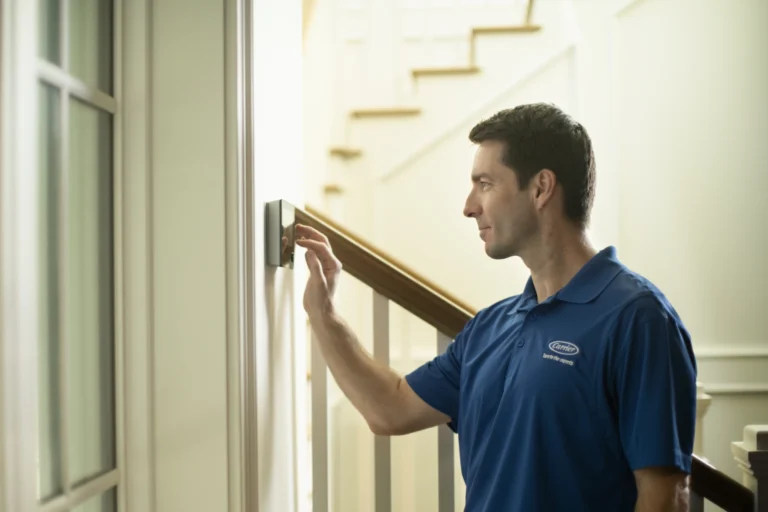
Several scenarios demand immediate professional attention from NATE certified employees who possess the training, tools, and experience to handle complex HVAC issues safely and effectively. Gas furnace problems present serious safety risks, as improper repairs can lead to carbon monoxide leaks, gas explosions, or fire hazards. When you detect gas odors, experience frequent pilot light outages, notice yellow instead of blue flames, or observe soot accumulation around your furnace, professional service becomes essential for your family’s safety.
Refrigerant handling in air conditioning systems requires EPA certification and specialized equipment, as refrigerants are regulated substances that can harm the environment and pose health risks when improperly handled. Low refrigerant levels often indicate leaks that need professional detection and repair, not simply recharging. Electrical issues involving capacitors, contactors, or control boards demand expertise in high voltage systems and understanding of complex wiring diagrams that vary by manufacturer and model.
The True Cost Analysis of DIY Versus Professional Service
While initial DIY attempts might seem economical, the long-term financial implications often favor professional service. Consider these factors when evaluating your options:
- Equipment and tool investment: Specialized HVAC tools including manifold gauges, combustion analyzers, and electrical testing equipment can cost thousands of dollars
- Part warranties and guarantees: Many manufacturers void warranties when unlicensed individuals perform repairs
- Time investment and opportunity cost: Hours spent troubleshooting and attempting repairs could be used more productively
- Risk of additional damage: Incorrect diagnosis or improper repairs often create more expensive problems
- Safety equipment and training: Professional-grade safety gear and knowledge prevent injuries and property damage
Our prices are affordable and competitive when compared to the potential costs of DIY mistakes, emergency service calls, or complete system replacement due to improper maintenance.
Making the Smart Decision for Your HVAC Needs
Determining when to call Service Now for professional HVAC service versus attempting DIY repairs requires honest assessment of the situation’s complexity, your technical capabilities, and potential risks involved. We show up when we say we will, on time, every time, providing reliable expertise that protects your investment and ensures your family’s comfort and safety. Our professionally trained technicians bring years of experience, proper licensing, comprehensive insurance coverage, and access to wholesale parts that aren’t available to general consumers.
The decision ultimately balances immediate costs against long-term value, safety considerations, and system reliability. Professional AC repair and heating repair services provide peace of mind through proper diagnosis, correct repairs, and preventive maintenance that extends equipment life while optimizing energy efficiency. When facing HVAC challenges beyond basic maintenance, choosing professional service represents an investment in your home’s comfort, safety, and value that pays dividends through reliable operation and avoided disasters.